We all have those days when we crave something warm and comforting and some days we just want to eat something fresh and light ! But are you among those usually ignore these cues, confuse it for food cravings, and often try to ignore it?
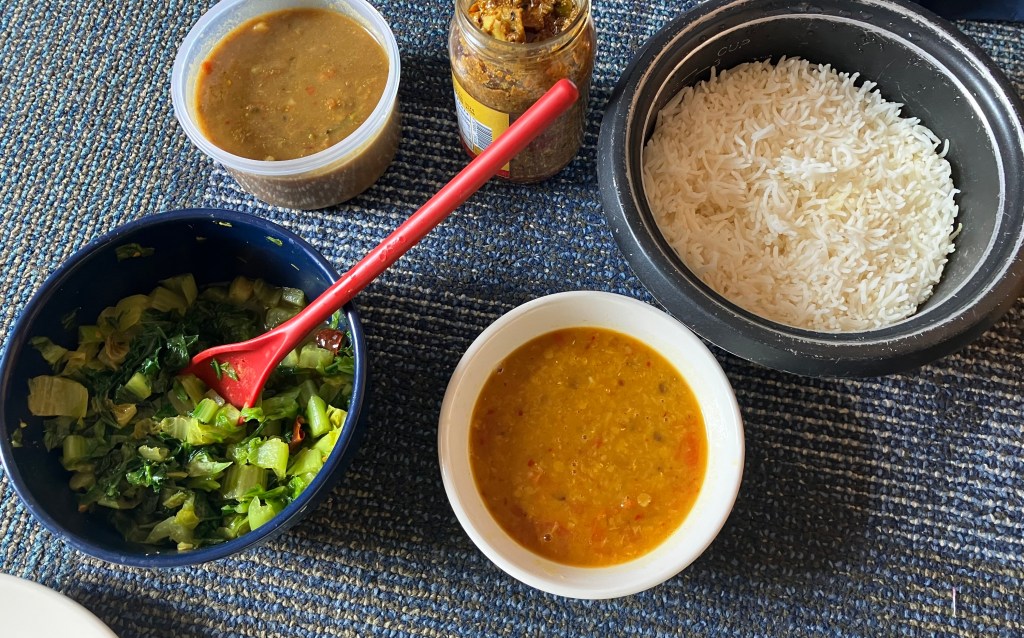
Initially, I used to think that me wanting to eat particular type of food is just the food cravings caused by my hormones and honestly, I often ignored it. But now, I ask myself: What exactly are these hormones? How do they connect to our cravings, our food choices, and our monthly cycle? Can they really control what we want to eat? Are they trying to tell us something? The answer is yes—they do affect what we eat.
Research shows that fluctuating hormone levels throughout the menstrual cycle influence appetite, food preferences, and even how our brain responds to food cues.
And yet, most of us have been taught to eat the same way every day, which of course has it’s own merits but not when it comes to supporting your period and menstrual cycle. So, what should we do then? And how can we start?
The key to supporting your cycle is to understand the four key phases of your menstrual cycle (menstrual, follicular, ovulatory, and luteal phases) and the effect that it has on our body.
But…
Nobody really likes to study the physiology and remember all the physiological changes, just for eating accordingly.
So what can we do?
The simplest answer is to listen to your body and this is where the term cravings matter and it matters that we do not suppress or ignore these messages that our body sends. In other words, I want to bring and highlight the importance of intuitively eating or cycle syncing (syncing our food with our monthly cycle).
Eating in sync with our cycle—often called “cycle syncing”—is about honoring our body’s natural rhythm. During each phase of the menstrual cycle, different hormones dominate and affect everything from metabolism and energy levels to digestion and nutrient needs. Research has shown that by adjusting our diet accordingly, we can reduce the premenstrual syndrome symptoms (PMS), improve mood, support fertility, increase energy, and feel more balanced overall.
To make it simple, I have highlighted and included some of the changes that happens in our body in every month and some foods to support it.
Menstrual Phase (Days 1–5)
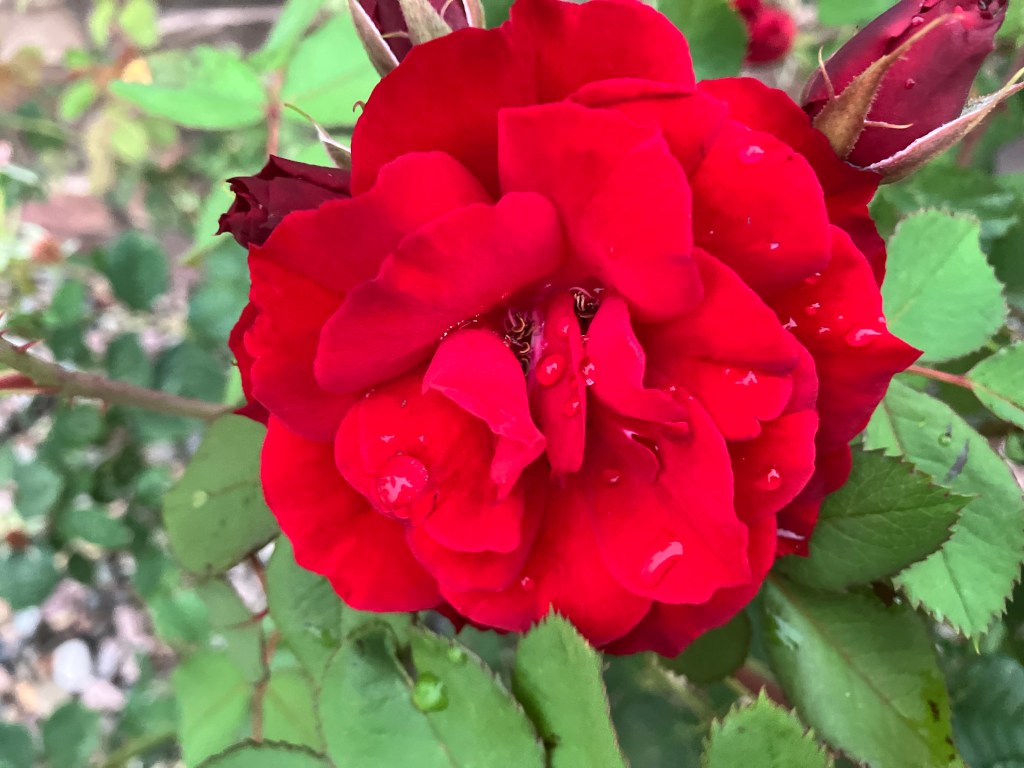
Rest and rebuild
This is the phase when menstruation occurs and hormone levels (estrogen and progesterone) are at their lowest. Energy is typically lower, and the body benefits from warm, comforting, and nutrient-dense foods that replenish iron and minerals lost during your period.
The best foods to include in our diet are:
Dark chocolate – go for it!! Magnesium will help to reduce cramps. It will also help to soothe the body.
Leafy greens – a very good source of iron, magnesium, and antioxidants. Also gives me enough fiber and helps to aid my digestion.
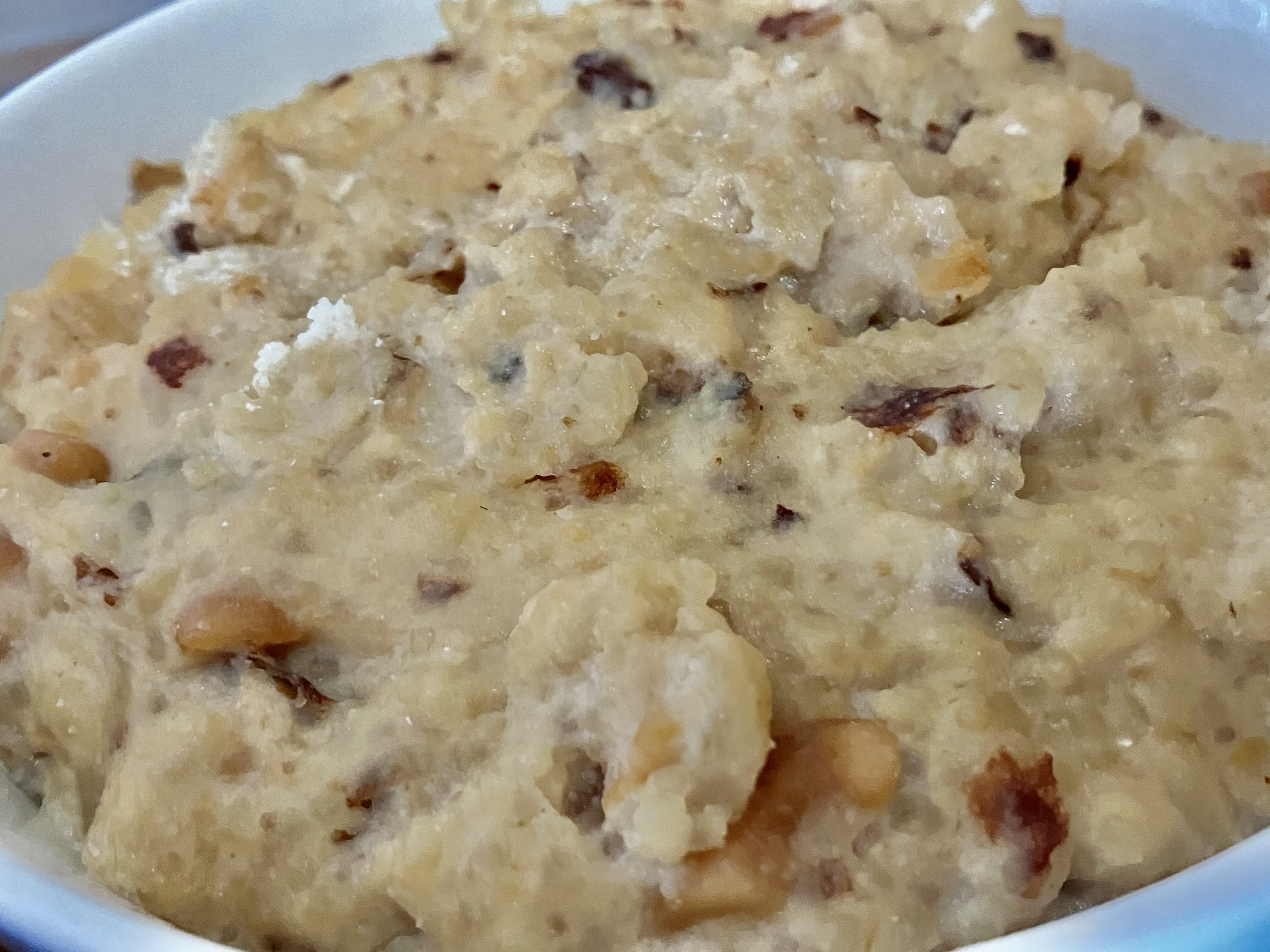
Pomegranate, beets or carrots – also for iron and antioxidants. Make a gajar ko haluwa (carrot haluwa/pudding) if you are a sweet tooth. Rice pudding is also good source of energy and calcium.
Bananas – rich in potassium and vitamin B6 to reduce bloating and improve mood. I generally prefer bananas throughout my cycle.
Oats – provide fiber, iron, and B vitamins to boost energy and digestion. Oats are very filling and give you that sustained energy needed during menstruation.
Milk– contains calcium to ease PMS symptoms. Drink a glass of milk before bed with a pinch of turmeric. Highly recommended if you have weakness or twitching in your muscles during this phase.
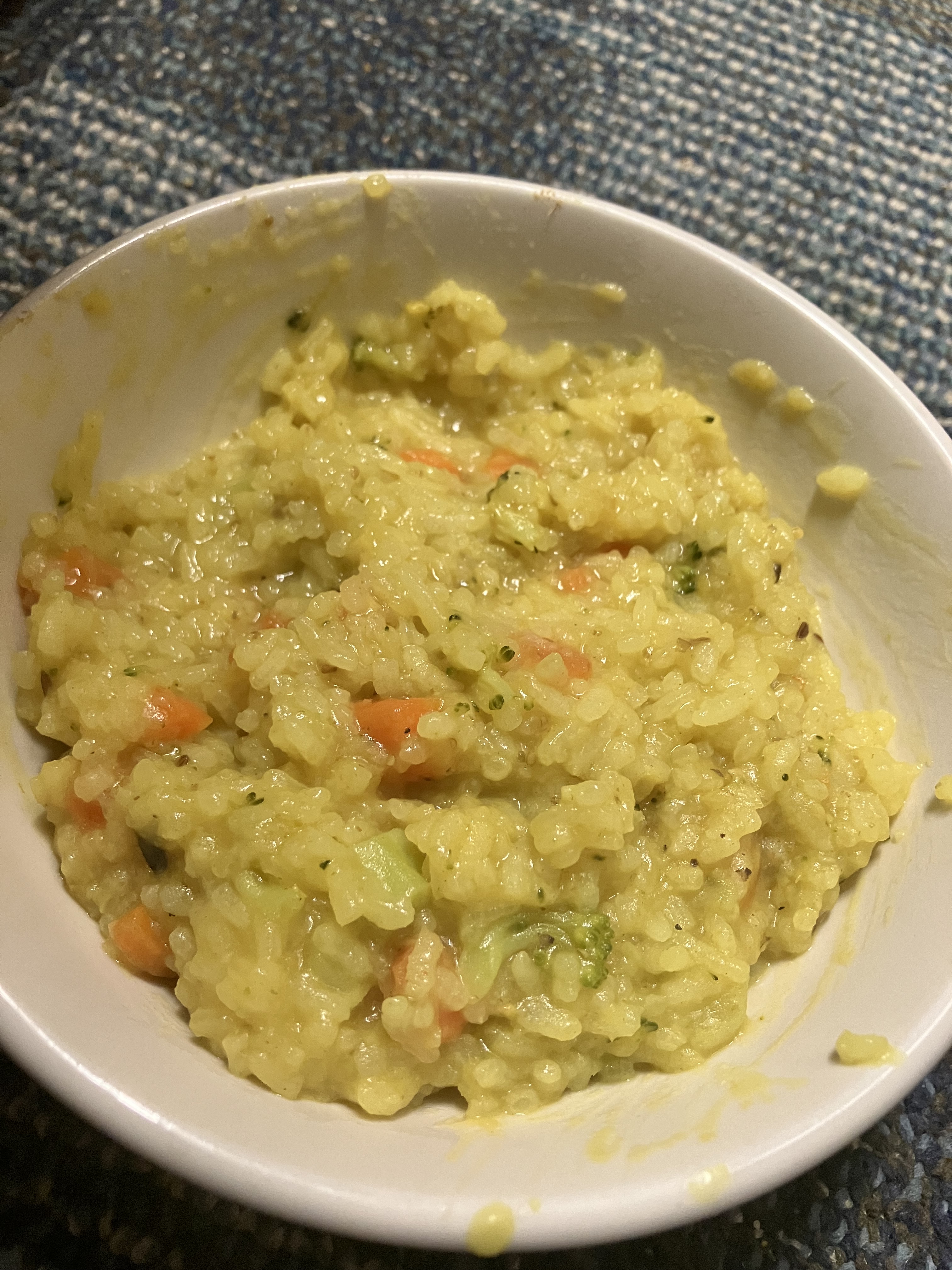
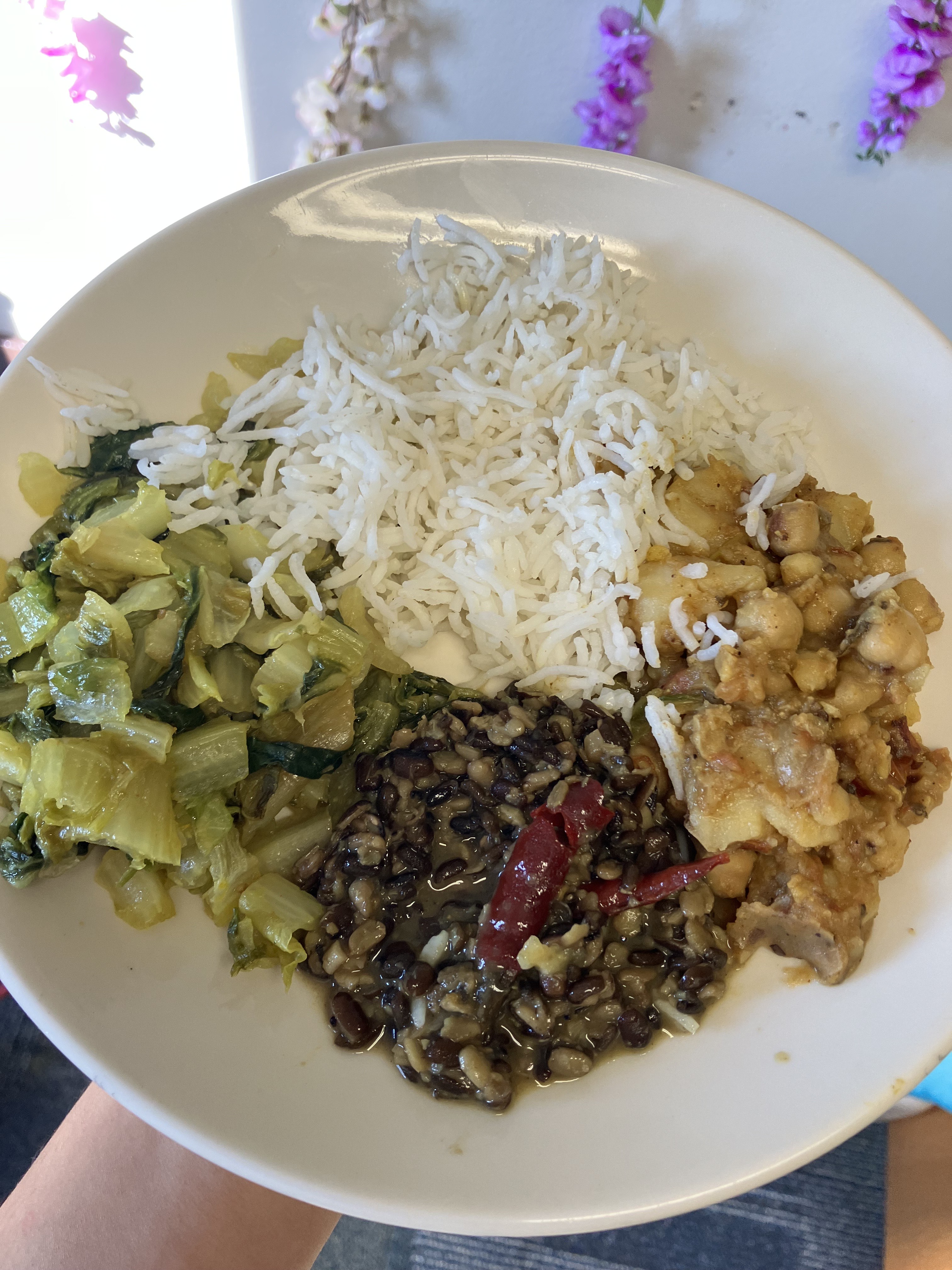
Lentils and beans – great iron and protein sources. Rajma (Kidney beans) are very good source of iron, protein, and carbohydrates. Rice and daal cooked together is also best during this phase.
Nuts and seeds – provide healthy fats, magnesium, and zinc. I generally prefer them throughout my cycle.
Oranges and berries – high in vitamin C and antioxidants to aid iron absorption and immunity. They will also provide you with instant energy.
Chamomile/ ginger tea/ Nepali tea – soothing for cramps, bloating, and nausea. The caffeine will also help to improve mood.
Eggs/Meat (if you are non-vegeterian) – rich in protein and essential vitamins like D, B6, and E to help regulate mood and hormones.
Tips: Focus on staying hydrated. Gentle, warm meals like soups and stews are the best during this time. I always buy a dark chocolate treat on my period 🙂
Follicular Phase (6-13)
Energize & Renew
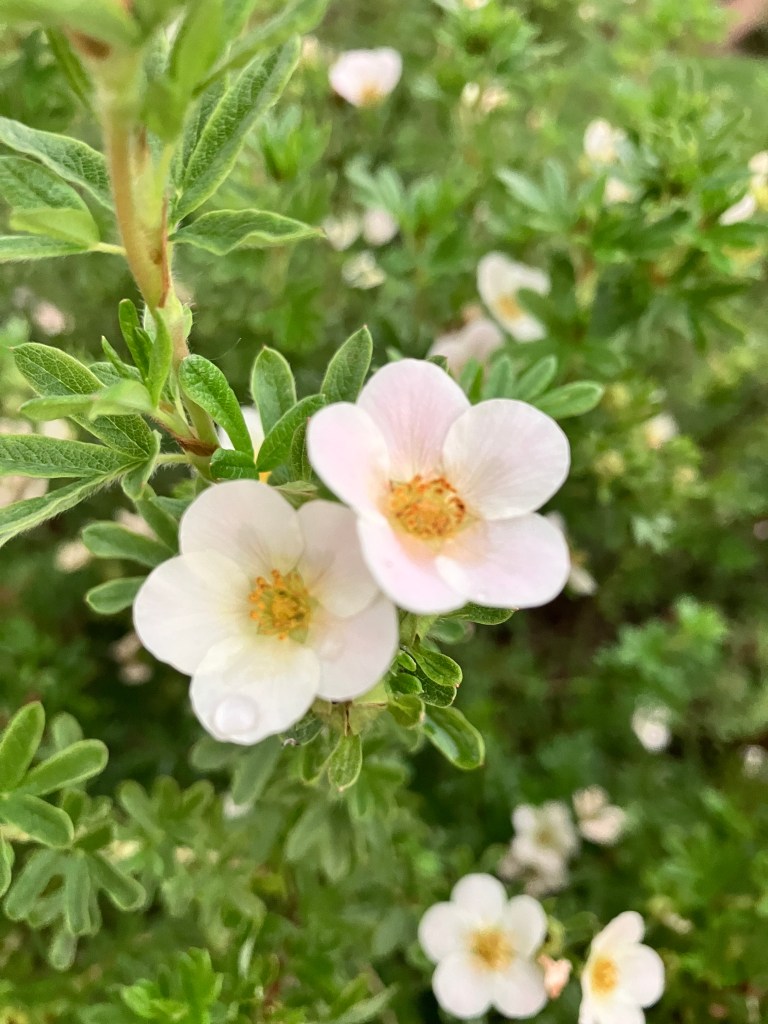
I like to think of this phase like the phase of plantation or germination of a seed, something very initial and when the most care is needed. This is because it is the time when our follicles are growing and starting to mature. Estrogen starts rising, and energy builds. This is a fresh start to our body and it’s hormones. So, this is a great time to eat fresh, vibrant foods that support follicle development and overall vitality.
The best foods to include in our diet are:
Fruits – By fruits, I means variety of them, yes! Since our body wants to replenish the lost minerals and nutrients after menstrual cycle, it asks for something refreshing.
And it is likely mistaken for craving of various sugary drinks which have low to no nutrient content. So, choose fruits instead!
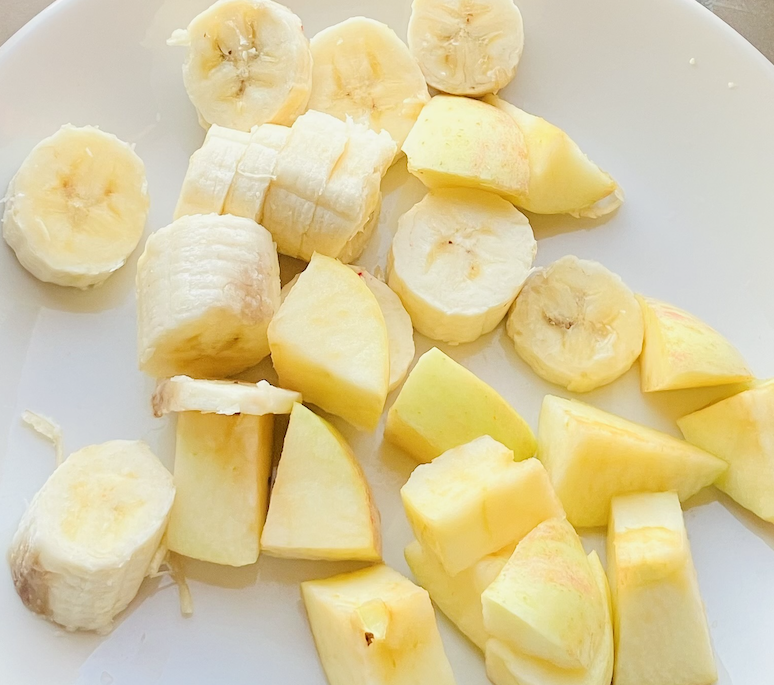
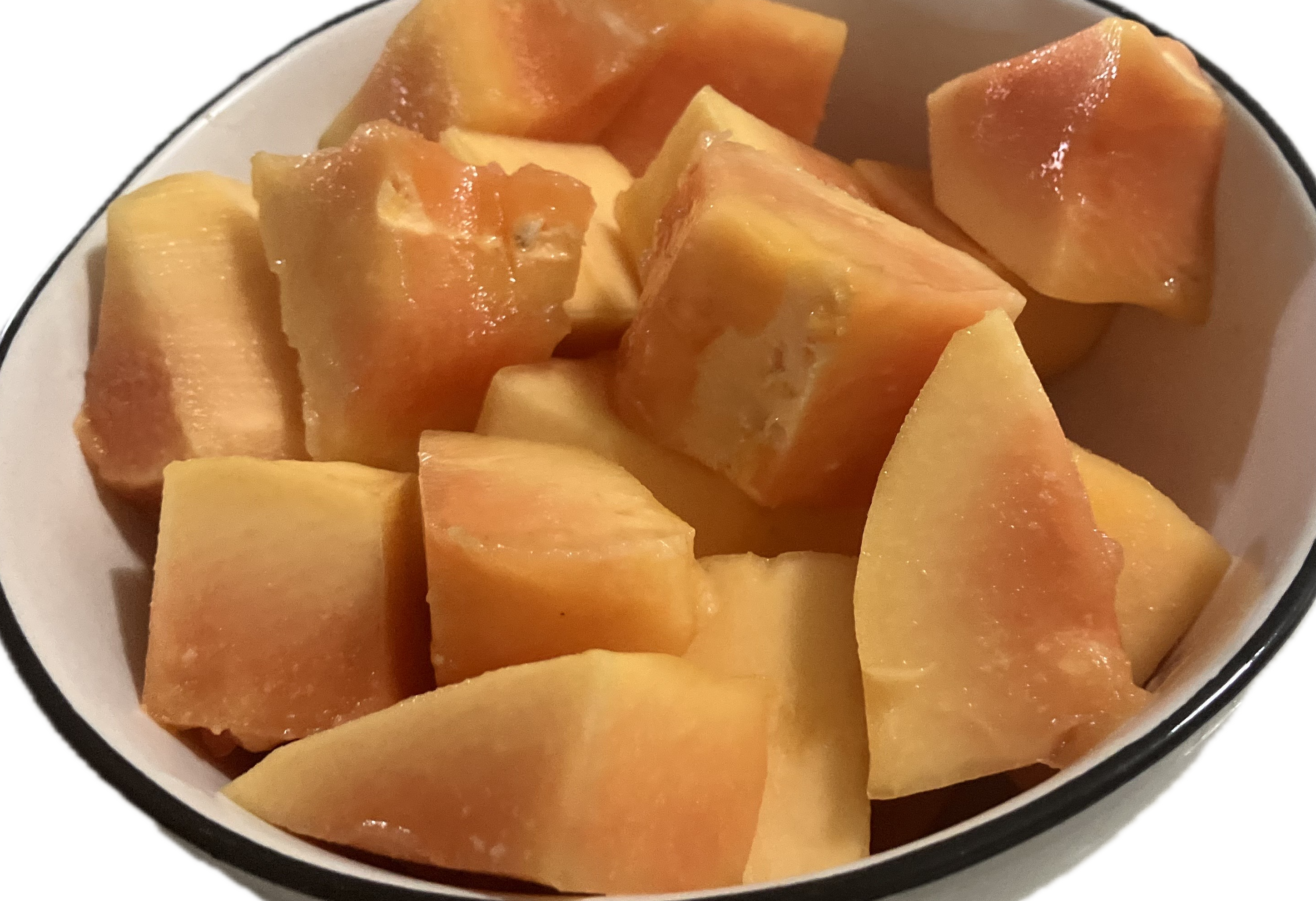
The best fruits are :
Pomegranate – For replenishing that iron and is rich in antioxidants. Can go for carrots as well!
Bananas – Can never go wrong. High in vitamin B6 and magnesium for hormone balance.
Apple, Watermelon, and Cucumbers – Are refreshing and hydrating as they can be, are fiber rich and support detox and steady blood sugar.
Papaya – Contains folate and antioxidants to support cell health. Good for your skin as well!
Orange, Berries – Loaded with vitamin C for immune support and iron absorption and are packed with antioxidants that protect egg development.
Guava – High in vitamin C and supports skin and hormone health.
Pineapple – Contains anti-inflammatory enzymes.
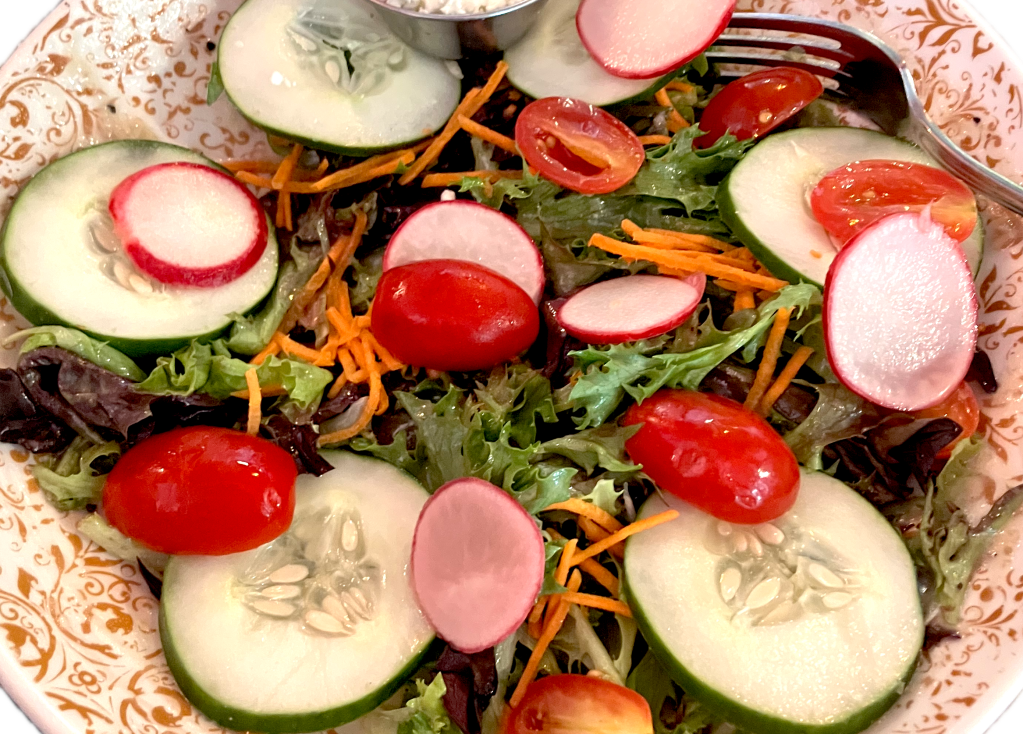
Along with fruits, vegetables like spinach, broccoli, and cabbage provide essential vitamins, minerals, and antioxidants that support hormone balance, detoxification, aid digestion, and provide steady energy. Including a variety of colorful veggies also ensures that our body gets the nutrients it needs to prepare for ovulation and support reproductive health. For the healthy fats, include seeds and nuts.
Tips: The best time to indulge in salads, smoothies, and grain bowls. Your body will thank you.
Ovulatory Phase (14-16)
Energy & Fertility
This is a comparatively a short lived phase. The estrogen is at peak, making us feel more energized, confident, productive, and social. The metabolism is slightly higher, and the body is focused on ovulation. So, the body needs healthy fats, protein, and antioxidants.
Usually, the foods from follicular phase and luteal phase overlap this phase as well.
However, some the best foods to include in our diet are:
Cruciferous veggies (broccoli, cauliflower, kale) – helps in the balance of estrogen and detoxification of excess hormones.
Avocado or Nuts like (Cashews and Walnuts) – they are packed with healthy fats for hormone balance and egg support.
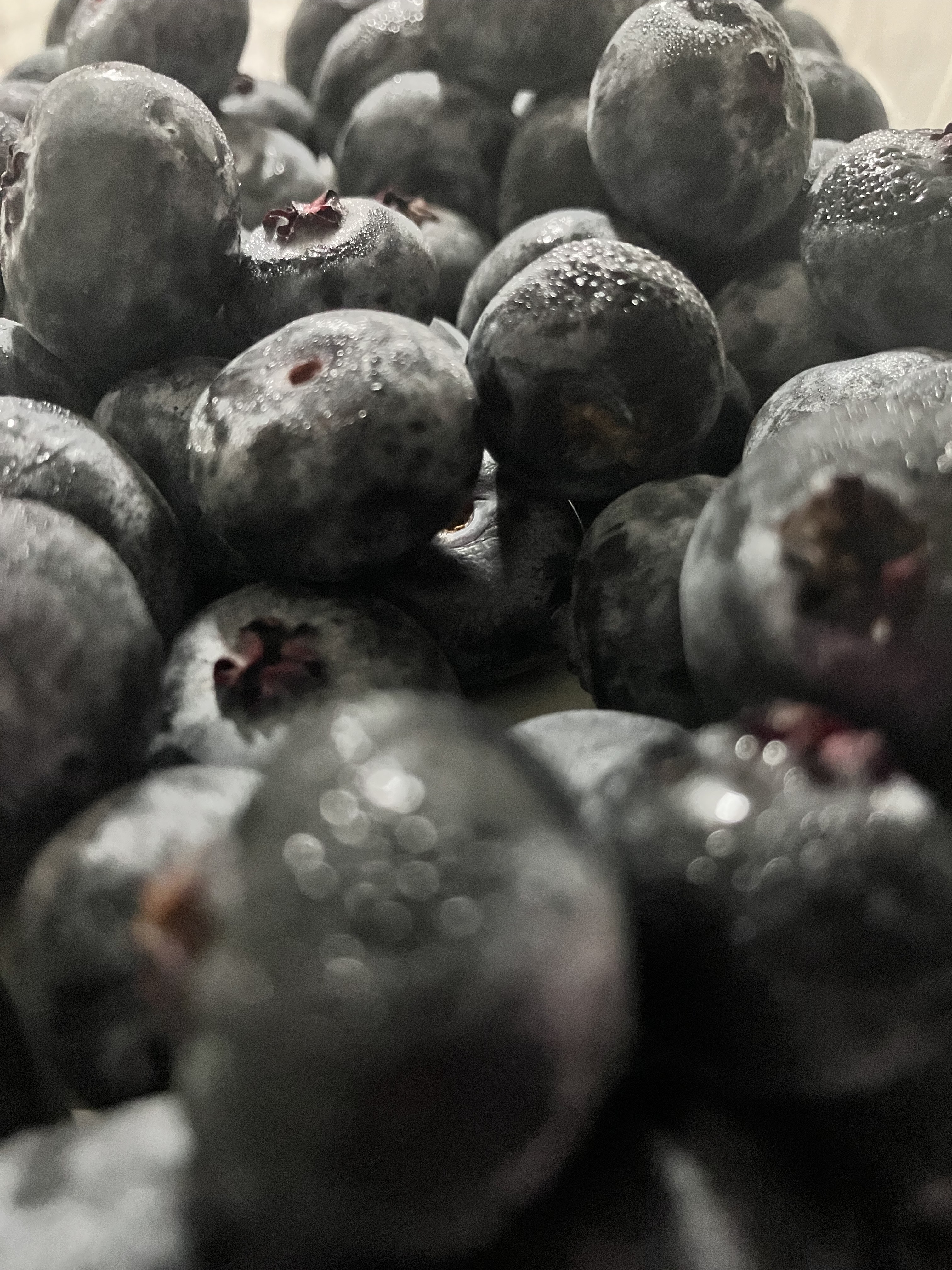
Blueberry, Amala (Indian Gooseberry), Lemon/Lime – rich in antioxidants and Vitamin C that helps reduce inflammation and supports liver metabolism.
Yogurt / Dahi – rich in probiotics, calcium, B vitamins to support the gut health and egg health.
Eggs / Fish – provide protein, choline, and omega-3s that support hormone balance, reduce inflammation, and promote healthy egg development.
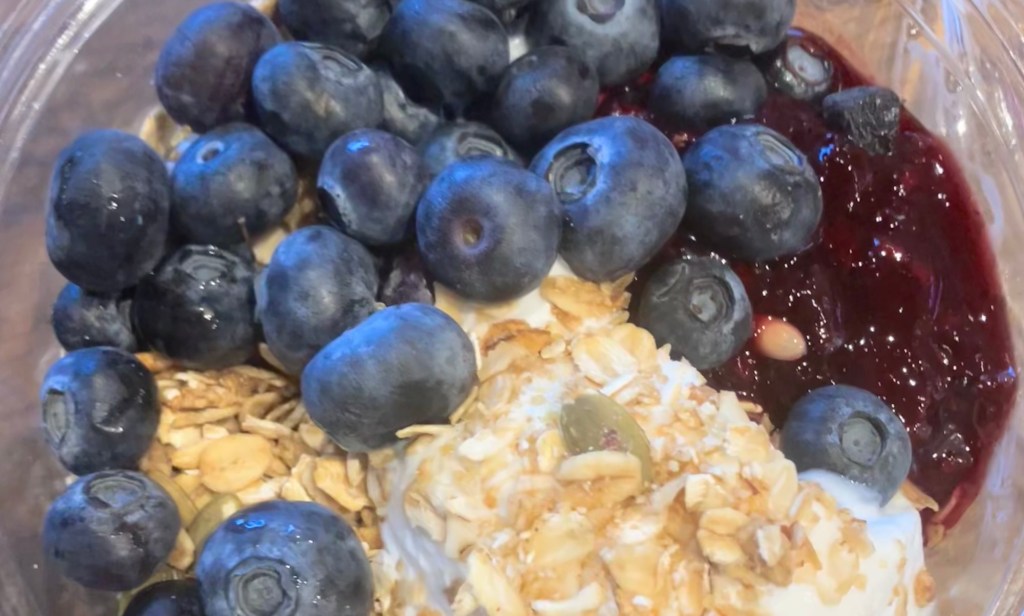
Tips: It is common to start to feel bloated around or at the time of ovulation and afterward. So the key is to include foods /spices (eg. turmeric) that help to reduce inflammation. It is also common to crave for sour fruits of foods like lime or lemon during this phase as body feels the need to detox and reduce inflammation.
Luteal phase (17-28)
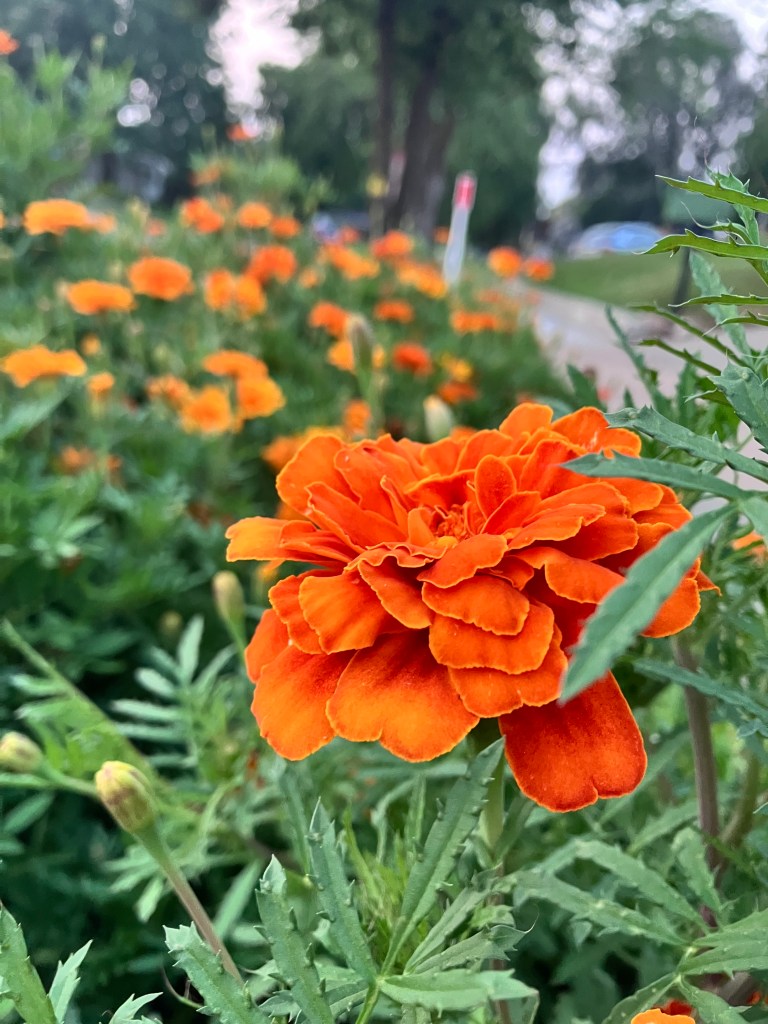
Soothe & Support
This is probably the hardest or weirdest phase of the cycle, with changing moods, cravings, and energy levels. Progesterone rises, and PMS symptoms like bloating, mood swings, and cravings are common. Our metabolism increases, so feeling hungrier is normal and should be honored, not ignored.
The best foods to include in our diet are –
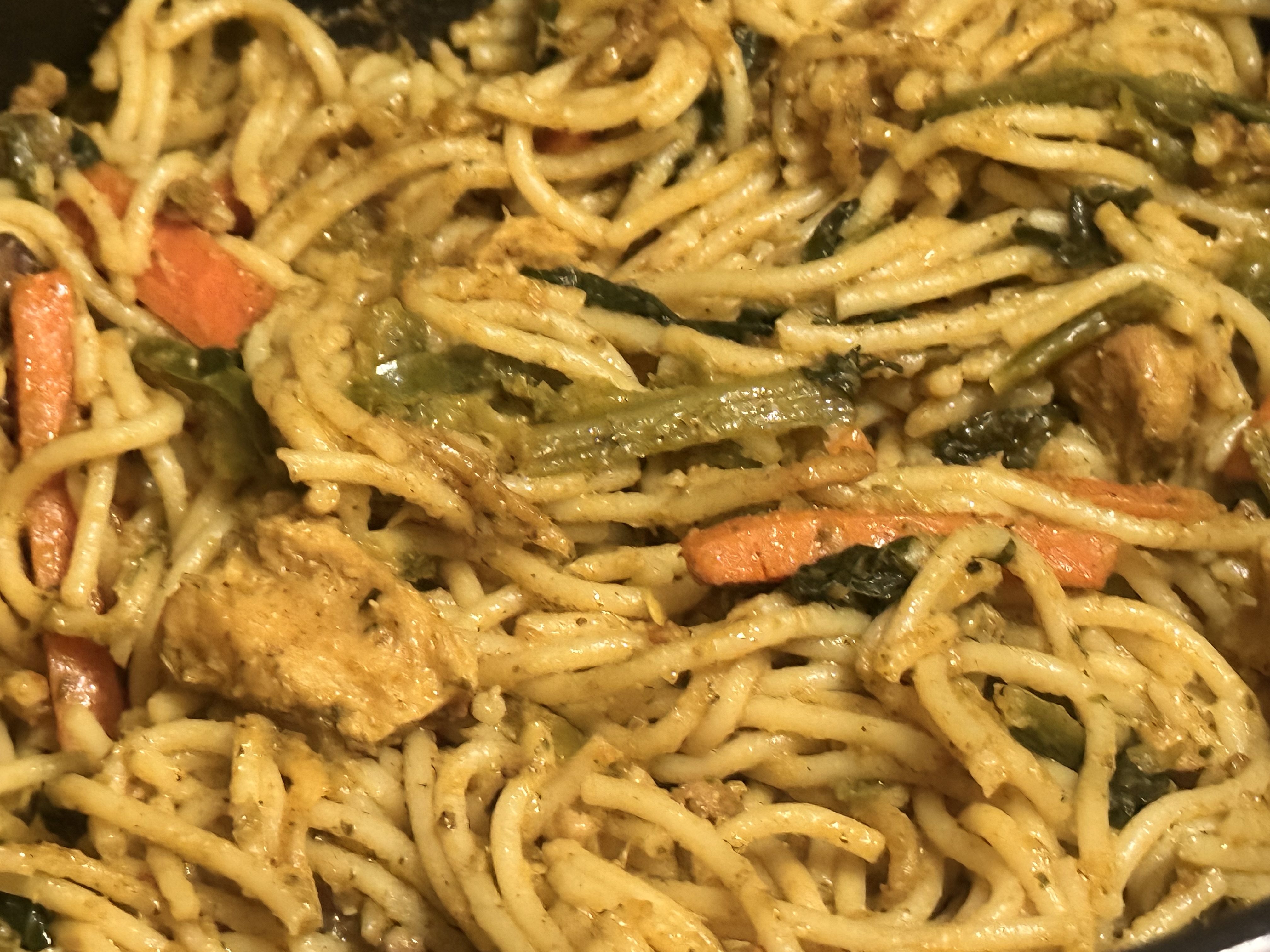
Grains – any type of grain from rice to wheat, buckwheat, barley, are crucial to support the increased metabolism during this phase.
Sweet potatoes / potatoes – they are good source of complex carbs and are anti-inflammatory in nature. Also help to ease bloating and support mood.
Pumpkin (with seeds) – rich source of fiber, vitamins A and C. Contains antioxidants that help reduce inflammation, support liver detox, and stabilize blood sugar.
Tofu, paneer, black gram, chickpeas – provide plant-based protein, fiber, and iron that support energy, hormone production, and steady blood sugar.
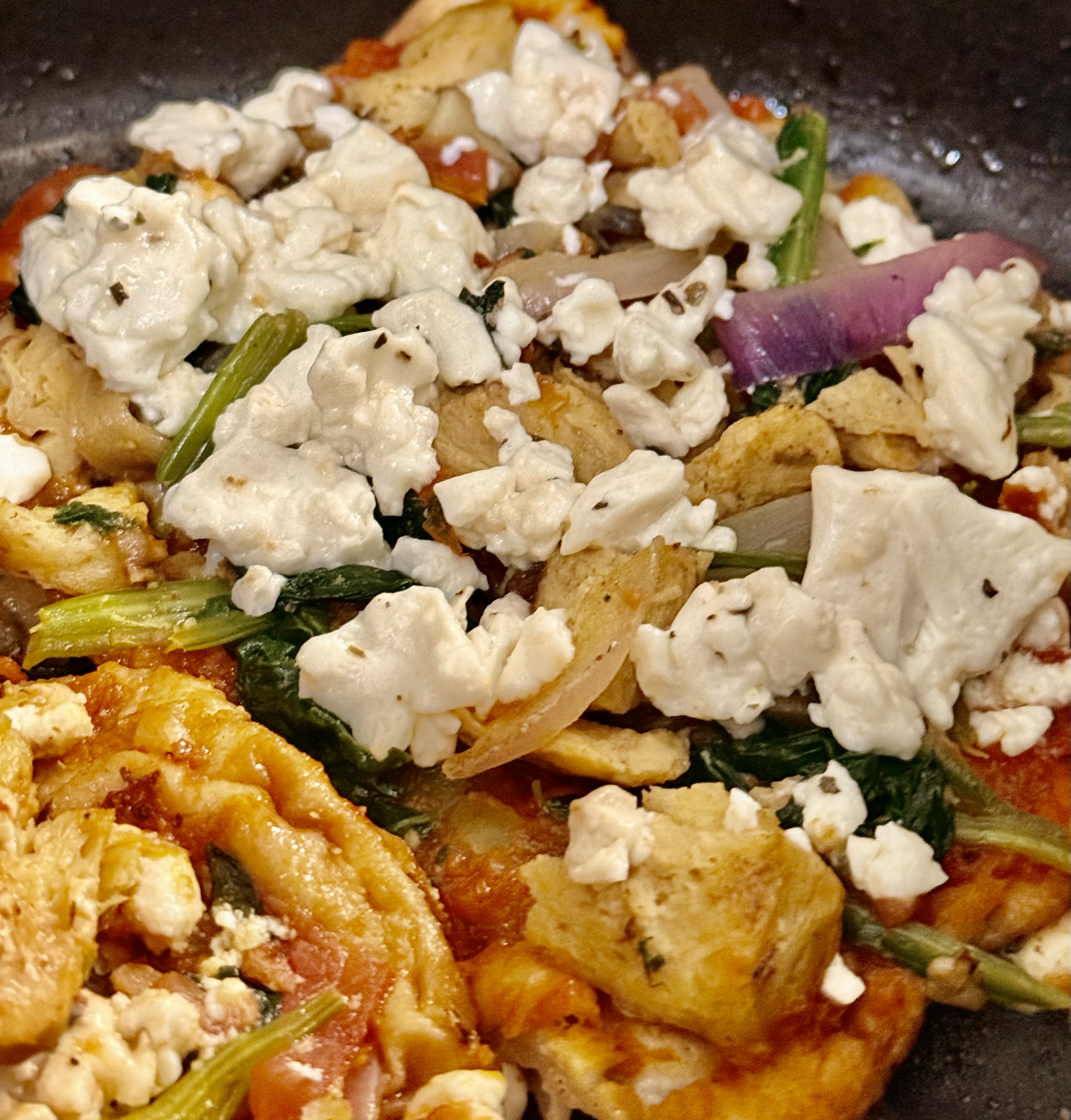
Ripe Bananas – are great source of vitamin B6 source, help to reduce irritability and even fluid retention.
Ghee, Cheese, Avocado – are the best sources of healthy fats that can support hormone balance, good digestion as well as help you keep satiated for longer.
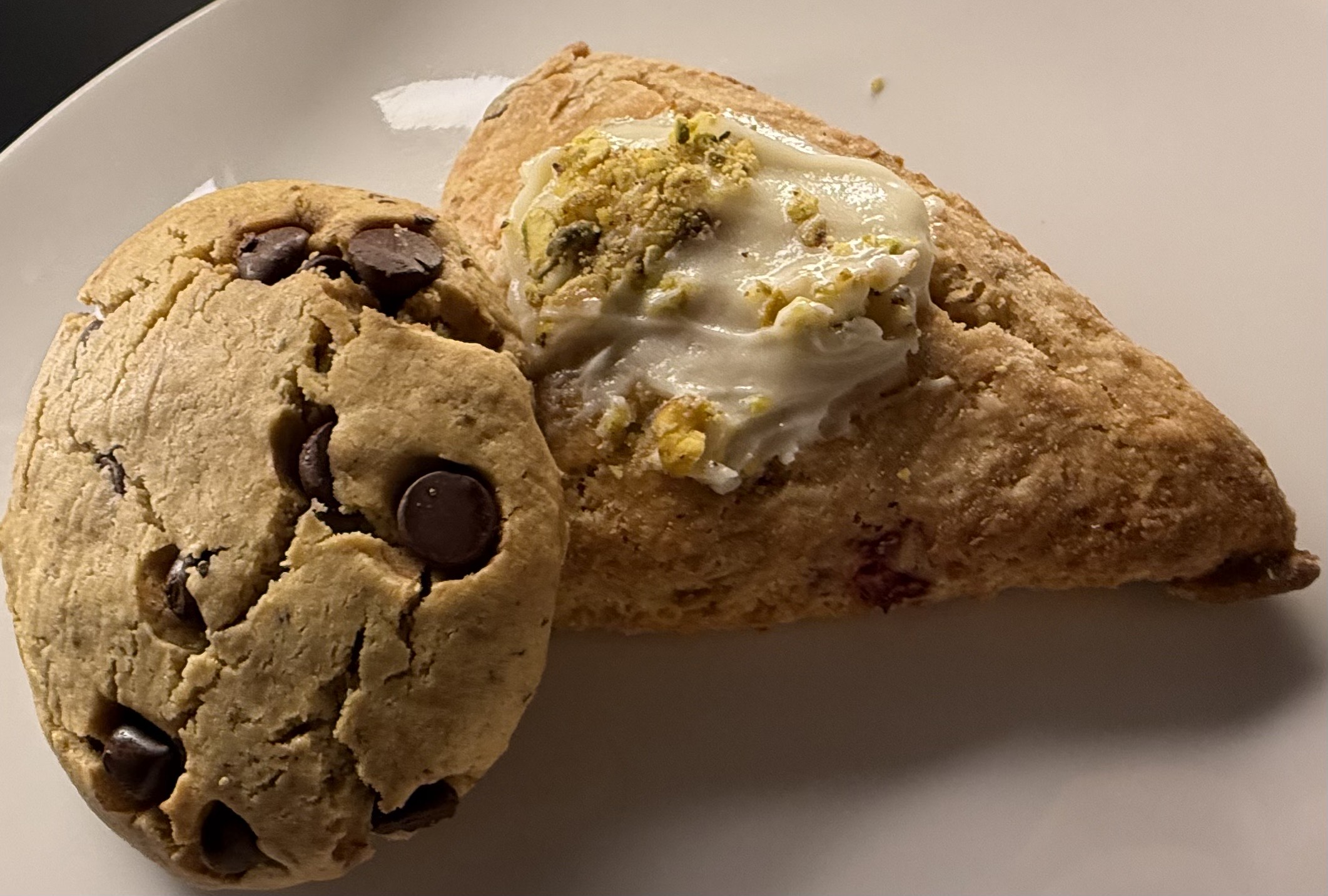
Tips: Increased metabolism can trigger hunger and can cause sugar cravings. So, it is okay to crave and eat your favorite piece of dessert and that one more piece of chocolate. But it is also important to eat a balanced meal with enough carbs, fat, and protein to reduce unnecessary cravings and overeating of sugary foods. Eat more frequently if needed.
Remember that :
Every body is different, and tuning into your cycle is a beautiful act of self-care. Take what resonates, be kind to yourself, and give your body the nourishment it truly deserves. 💛
Disclaimer: I am not a certified medical or nutrition professional. The information shared in this video is not intended for medical advice or diagnosis. It is for educational and awareness purposes only, especially to help reduce the stigma around menstruation and women’s nutrition. This content is based on personal experience, individual research, and self-experimentation. What has worked for me may not work for everyone. Please consult a qualified healthcare provider or registered dietitian before making any significant changes to your diet or lifestyle. Use this information at your own discretion and risk.


